Description
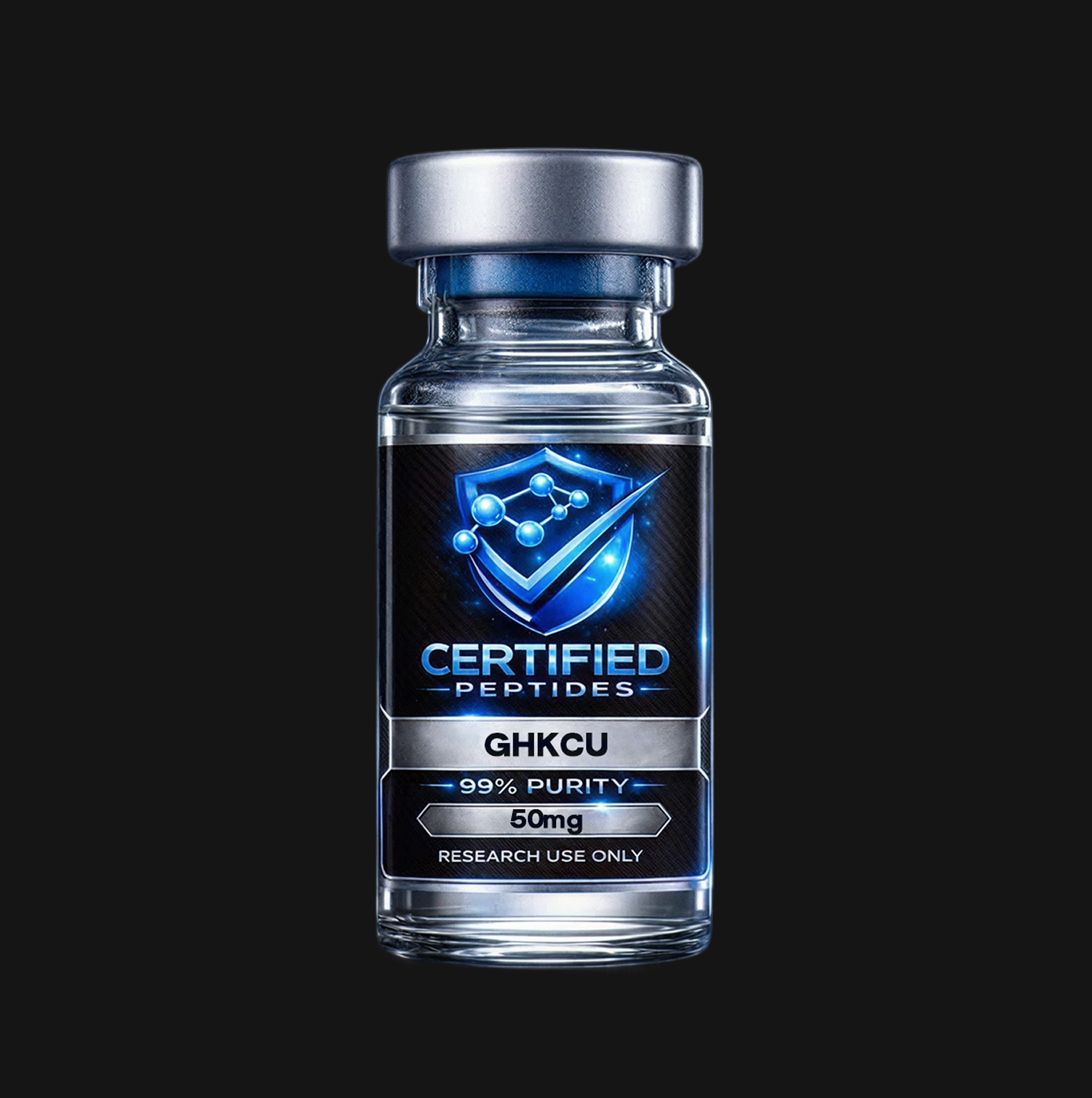
GHK-Cu (often written as GHK copper peptide) is a naturally occurring copper-binding peptide made of three amino acids:
glycine–histidine–lysine (GHK) attached to a copper ion (Cu²⁺).
It’s found in small amounts in human blood, saliva, and tissue, and levels tend to decline with age.
⸻
What it does in the body (biological role)
GHK-Cu is involved in tissue repair and regeneration signaling. Research suggests it can influence:
* Wound healing
* Collagen production (skin structure)
* Anti-inflammatory signaling
* Antioxidant protection
* Blood vessel formation (angiogenesis)
* Gene expression related to repair and regeneration
⸻
Why it’s used in skincare and cosmetics
GHK-Cu is popular in skincare because it may:
* Improve skin firmness and elasticity
* Reduce fine lines and wrinkles
* Support skin healing and regeneration
* Improve overall skin texture
You’ll often find it in serums and creams marketed for “anti-aging” or “skin repair.”
⸻
Medical / research interest
Scientists have studied it for:
* Wound healing therapies
* Hair growth support
* Possible nerve repair and anti-inflammatory effects
But most evidence is still preclinical (cell/animal studies) or early human data.
⸻
Simple summary
GHK-Cu is a copper-linked peptide your body naturally has that helps regulate healing and tissue repair. It’s widely used in skincare, but stronger medical uses are still under research.

Reviews
There are no reviews yet.